

Transforming Rural Society Through Nature-Based Solutions
The State Carbon Offset Mechanism in Querétaro, Mexico, combines innovative climate finance, small carbon taxes and a locally adapted carbon protocol to support landowners in adopting regenerative agriculture and sustainable forest management practices. By investing in soil restoration, planned grazing and forest regeneration, this approach helps restore forest health, improve land cover and protect biodiversity.
Three years ago, we began expanding this initiative to other subnational governments. Through practical workshops, training for technicians and producers, and the identification of priority areas, we are helping communities adopt regenerative land management practices while exploring innovative financing mechanisms to support long-term environmental restoration.
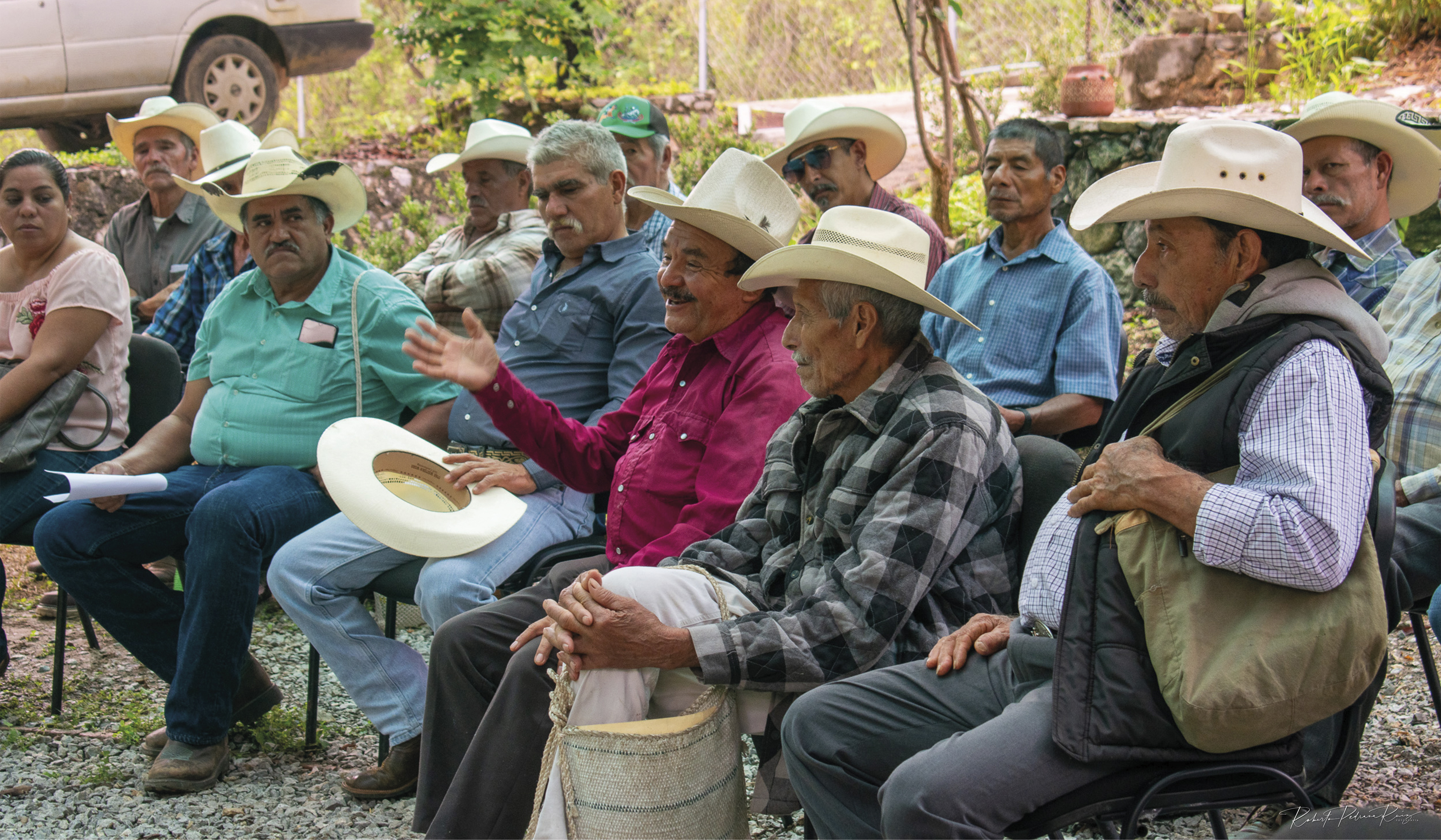
This work is driving transformational change across Mexico’s agricultural and forestry sectors. By restoring degraded soils and forests, the initiative supports natural regeneration, strengthens ecosystem services, protects biodiversity and contributes to climate change mitigation.
The development of this public policy also incorporates five guidelines aligned with the Initiative for Climate Action Transparency (ICAT), supporting greater transparency and accountability in climate action.
Key Challenges Addressed
Environmental challenges
In Mexico, unsustainable land management practices, including unmanaged cattle grazing, contribute to soil degradation, forest loss, reduced carbon storage and biodiversity decline. These practices often persist because landowners lack the incentives, knowledge and support needed to transition to regenerative planned grazing. Although many Mexican states are developing climate change mitigation and adaptation strategies, grazing land management is frequently overlooked despite its potential to increase carbon storage and restore degraded ecosystems.

Economic challenges
Transitioning to regenerative agriculture and sustainable forest management requires additional investment. Landowners need access to water management infrastructure, electric fencing, equipment and labour to implement effective grazing systems and restore the health of their land.

Social and policy challenges
When biodiversity and the natural capital of forests and agricultural land have little recognised economic value, landowners face limited financial incentives to protect them. This leaves ecosystems vulnerable to uncontrolled grazing, illegal logging and forest fires. At the same time, outdated public policies can continue to subsidise unprofitable livestock grazing practices that damage forest ecosystems.
Recognising the economic value of nature and rewarding landowners for protecting ecosystem services are essential steps towards more sustainable rural livelihoods, healthier forests and long-term landscape regeneration.