About

Carbono Biodiverso stands   guardian of the Sierra Gorda Biosphere Reserve, integrating conservation, regeneration, and socioeconomic returns.

Threats

Every day, forests stand at risk

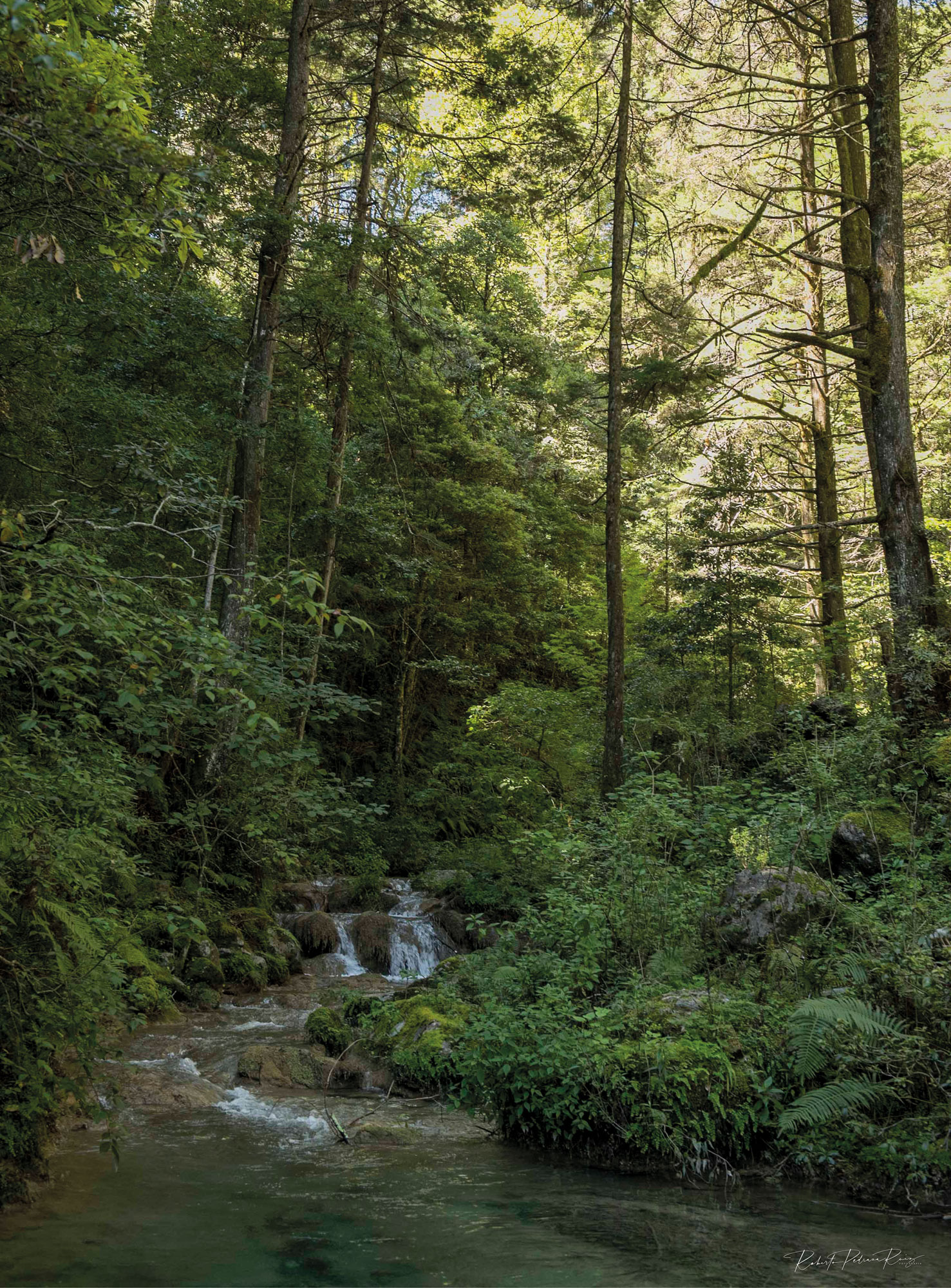
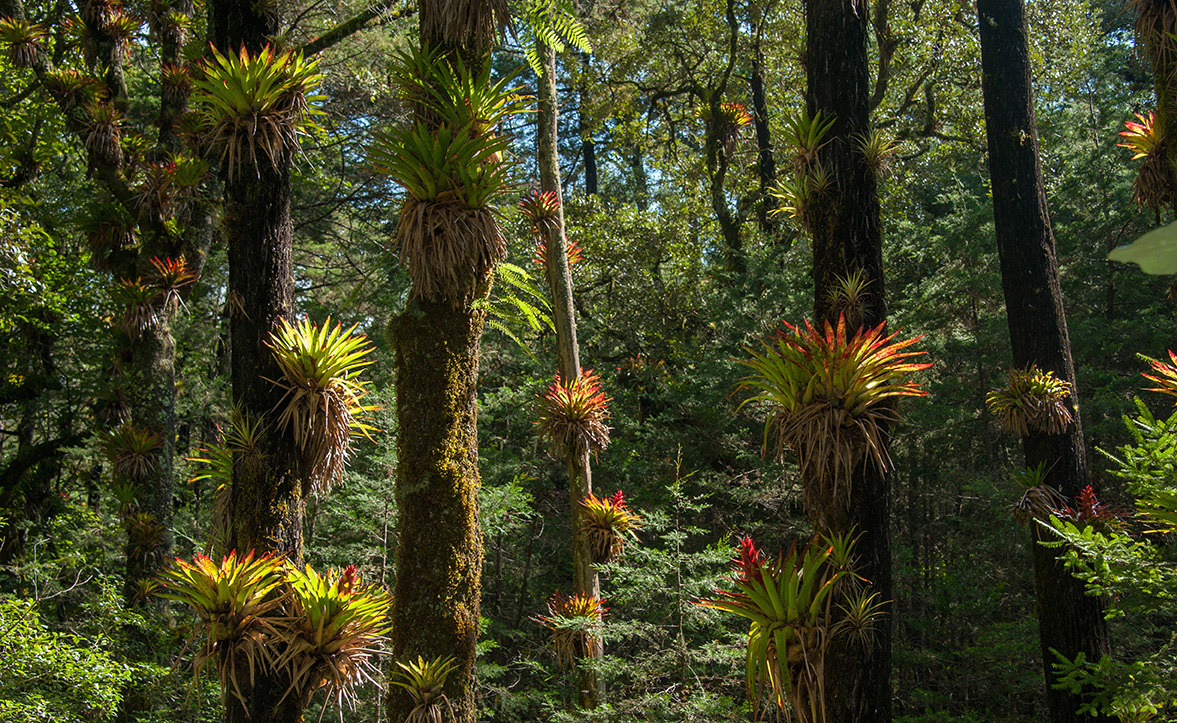
In the highlands of Central Mexico, the cloud-shrouded Sierra Gorda mountains protect some of the region’s oldest and most biodiverse, but constantly threatened, forests.

Mexican forest degradation is driven by the lack of meaningful economic returns for private landowners, ejidos, and communities. In search of income, many turn to agriculture, timber extraction, or land-use change, gradually depleting natural capital and receiving only modest gains in return.
VISION

Economic development through environmental care  

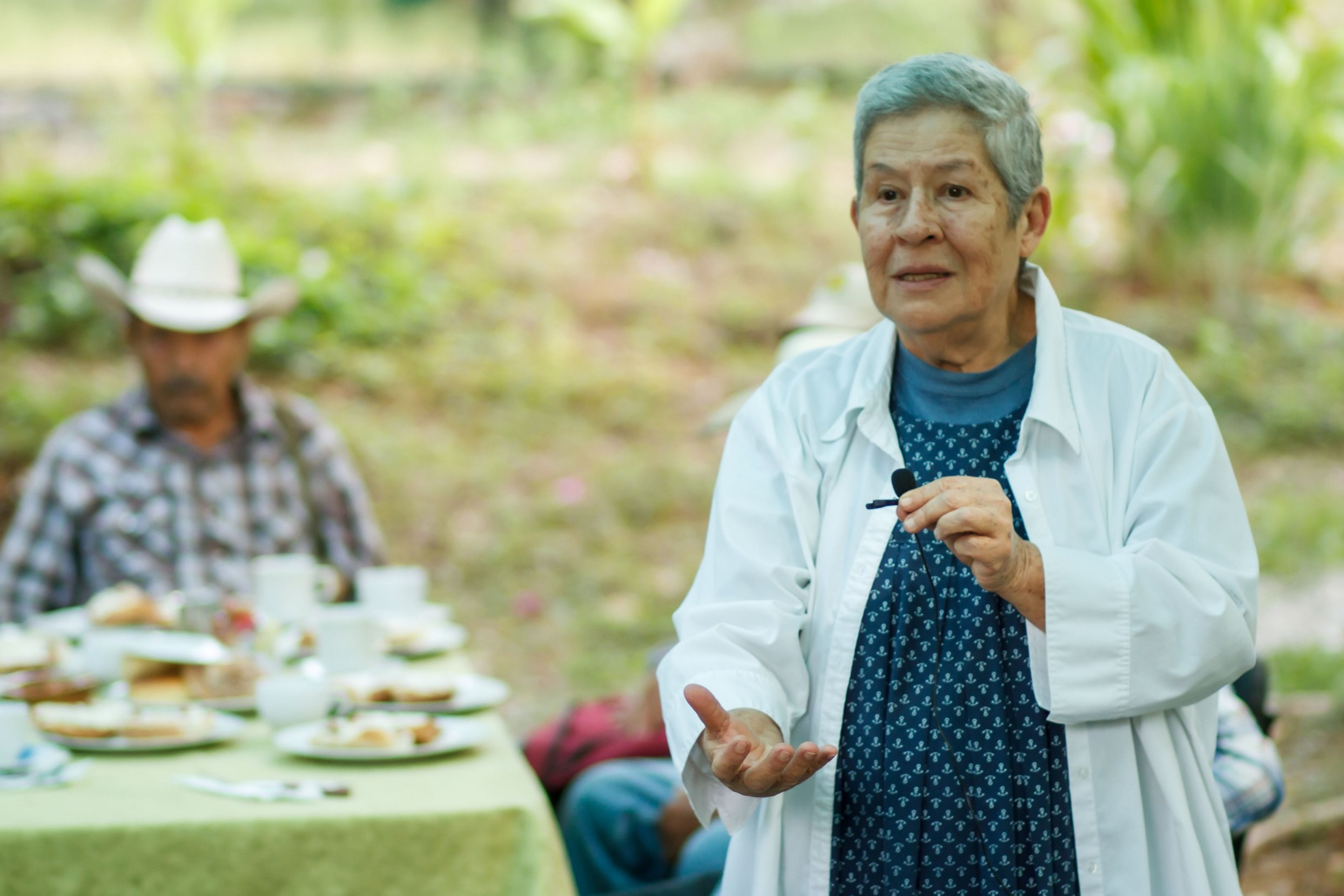
The Carbono Biodiverso Protocol, implemented in Querétaro, Mexico, is the result of Grupo Ecológico Sierra Gorda founder Pati Ruiz Corzo’s long-standing vision to create a carbon model that truly serves both people and nature. The protocol aligns corporate sustainability efforts with environmental protection and regional development, ensuring fair compensation for landowners while advancing effective carbon capture, forest regeneration, and biodiversity recovery.

Drawing on four decades of award-winning work through Grupo Ecológico Sierra Gorda and a deep understanding of local socioeconomic realities, she shaped this pioneering approach in alliance with the Secretariat of Sustainable Development (SEDESU).

Recently received awards:
UN Equator Prize - Grupo Ecológico Sierra Gorda
National Geographic Buffet Award - Pati Ruiz
UN Champions of the Earth - Pati Ruiz
Global Citizen Mexico´s Hero Award - Pati Ruiz
REGENERATION

Letting nature heal itself

No carbon-sequestration technology, nor newly planted trees, can rival the carbon stored within vulnerable old-growth ecosystems.

Carbono Biodiverso's methodology is firmly rooted in the belief that natural forest regeneration is the most effective method for protecting and restoring the forests of the Sierra Gorda. Carbono Biodiverso pays local forest owners to remove their cattle and allow natural regeneration to happen. It ensures fair compensation for local landowners while promoting effective carbon sequestration and forest conservation.

Since the implementation of Carbono Biodiverso, Grupo Ecológico Sierra Gorda (GESG) has witnessed the return of near extinct species and the restoration of complex and ancient forest ecosystems. 

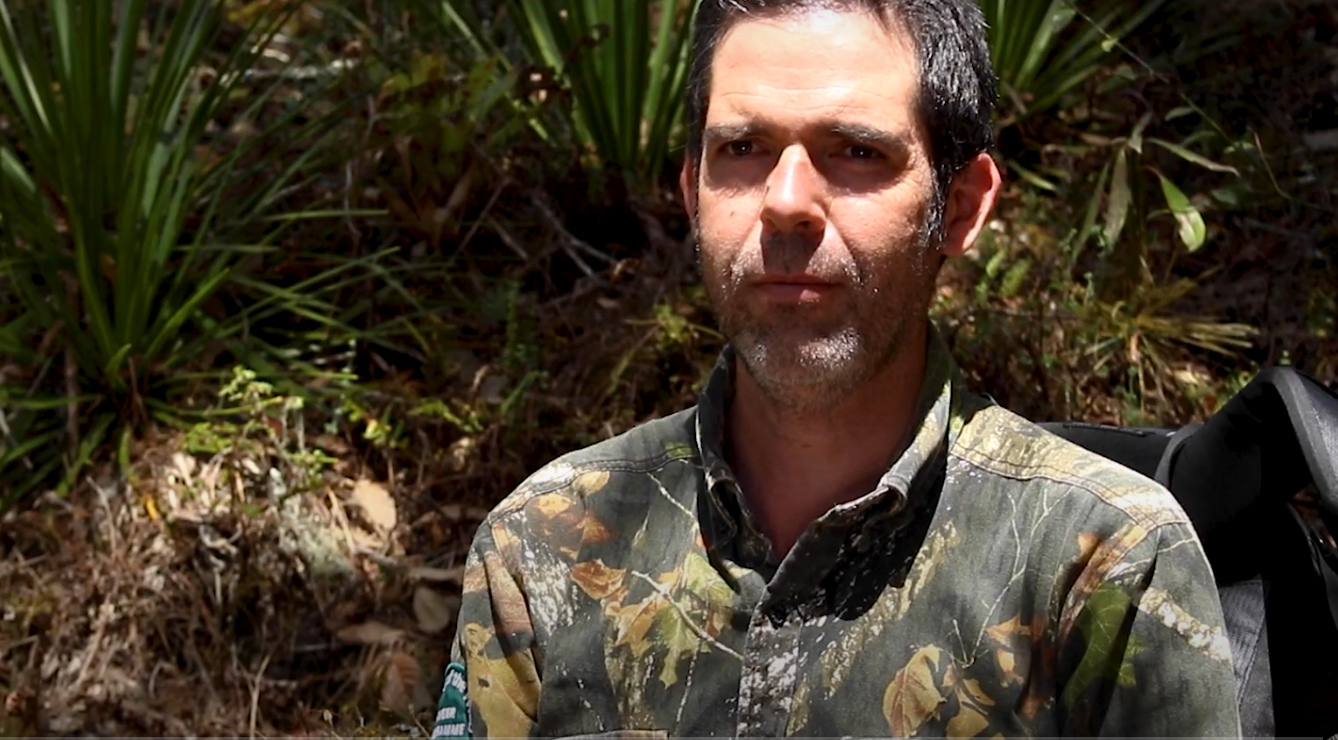
“If we remove human pressure, nature, in spite of everything, still has the capacity to heal itself.”

Roberto Ruiz
Grupo Ecológico Sierra Gorda.
METHODOLOGY

We work within a strict framework  

Carbono Biodiverso establishes rigorous standards to ensure its full accountability and effectiveness as a viable nature-based solution. Forest owners who participate in Carbono Biodiverso must meet the protocol’s eligibility and additionality requirements. The protocol requires the cessation of activities that harm forest health, including cattle farming, tree harvesting, and fire use, and requires activites that promote natural regeneration, such as preventing and managing forest fires, reporting pests or diseases, and monitoring for signs of ecological recovery.
The lands involved in the project must be forest lands.
The project proponent must be a civil society organization with knowledge of the region and its activities.
The civil society organization must have at least three years of experience in the project area.
Social safeguards must be implemented that require free, prior, and informed consent and ensure social, gender, and cultural benefits within the community.
The project must comply with all relevant local laws and regulations.
The project must demonstrate additionality, meaning it generates carbon benefits that would not have occurred without it.
The baseline for carbon accounting is based on existing forest carbon stocks, with all additional carbon stocks eligible for offset production.
Tree biomass is mandatory, but understory, deadwood, litter, forest floor, and soil carbon can be added if justified.
Allies

Pulling together in a time of crisis

Carbono Biodiverso is a remarkable convergence of allies, demonstrating the value of joint work among civil society organizations, local communities, private sector companies, and the government. It represents a powerful integration of local knowledge, cutting-edge technology, ecological science, ancestral wisdom, and public policy, all united by a shared commitment to regeneration and inclusive community participation. Together, these combined efforts deliver measurable emissions reductions and open a path of hope in the face of global challenges.
Grupo Ecológico Sierra Gorda I.A.P. is a civil society organisation created by local citizens as a response to the rapid environmental deterioration of the Sierra Gorda. For nearly four decades, they have developed multiple solutions to strengthen community well-being, regenerate ecosystems, rebuild soils, build a circular conservation economy, mitigate climate change, and implement a community-friendly protocol for forest owners.
OpenForests developed a fully integrated digital system that manages land registration, carbon inventory, transactions, synchronised payments, a public registry, and satellite-image monitoring. With a forestry and social-justice background, they ensure transparent reporting and long-term satellite-based monitoring.
Carbono Biodiverso is the product of deep collaboration between Grupo Ecológico Sierra Gorda and the Secretariat of Sustainable Development of Querétaro (SEDESU). The result of this collaboration is a state-driven regulation called the Querétaro Seal, an innovative local carbon tax system that allows Querétaro companies to offset their carbon emissions through local carbon projects in the Sierra Gorda Biosphere Reserve.
Viva Sierra Gorda, a project of Earth Island Institute, USA, forges key alliances between technology companies, donors, and the Sierra Gorda Alliance. It connects the local movement with international professional volunteers.
Founders

Guardians of the Biosphere Reserve and the local protocol

Martha Isabel “Pati” Ruiz Corzo

General Director of the Grupo Ecológico Sierra Gorda I.A.P.

Pati is the visionary behind Carbono Biodiverso, winner of the United Nations Development Programme (UNDP) Equator Prize, National Geographic Buffet Award, and the Wangari Maathai 2014 prize.

“A deep indignation grew within me, because resources were being prevented from reaching
rural areas and landowners. Carbon developers follow those protocols that fail to take into
account the people who actually own the
forests.”

Founder of Grupo Ecólogico Sierra Gorda and Carbono Biodiverso.
Laura Pérez-Arce

Public Relations Coordinator of the Grupo Ecológico Sierra Gorda I.A.P. and co-director of Viva Sierra Gorda, a project of Earth Island Network, USA.

Laura is part of the management team of the Sierra Gorda Alliance, which has been operating for more than 40 years and has developed multiple solutions to strengthen community well-being, regenerate ecosystems, recover soils, build a circular conservation economy, mitigate climate change, and implement a community-friendly protocol for forest owners.
President of Grupo EcóloPati is the visionary behind Carbono Biodiverso, who championed a new gold standard for the carbon market.gico Sierra Gorda + Founder of Carbono Biodiverso
Roberto Pedraza Ruiz

Deputy Director of the Sierra Gorda Alliance and wildlife photographer.

Roberto serves as Head of the Wildlands Program for the Grupo Ecológico Sierra Gorda. He has been instrumental in protecting the biodiversity of temperate and cloud forests in the Sierra Gorda through a network of nature reserves and as an active wildfire fighter. His images have appeared in national and international magazines, including National Geographic en Español (7 editions), Architectural Digest, México Desconocido, Wild Hope, and World of Animals (UK), among others.

Follow his work on Instagram: pedraza_roberto
Grupo Ecólogico Sierra Gorda + Wildlife Photographer
Companies Offsetting